Hardwood is the number one preferred flooring choice and there is no question why. But if you are renovating or building a house in Dubai, you will have to answer an important question: should you go for solid hardwood or engineered hardwood flooring? Both are beautiful, but they work in different ways with the city’s unique climate. Let’s find out what is best for your home.
Understanding Solid Hardwood Flooring
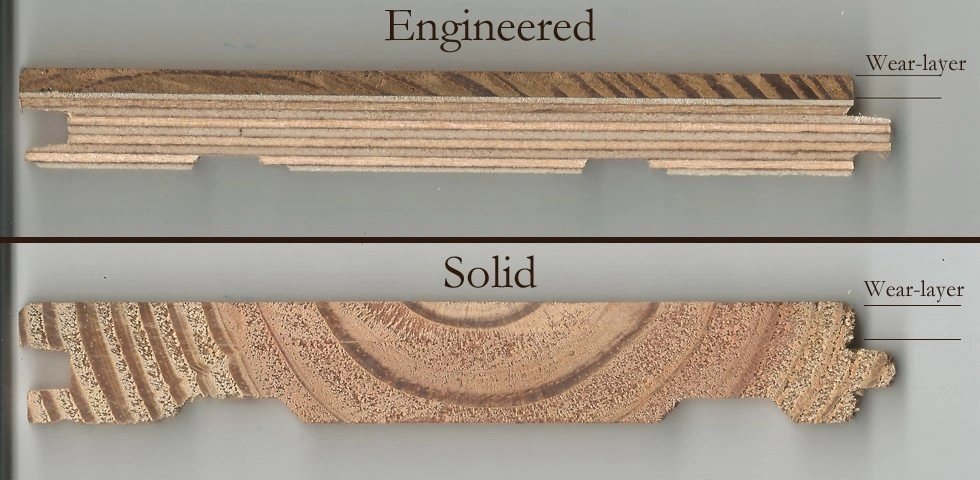
Solid hardwood is a single piece of wood from a natural source (a tree). It’s natural, durable and can be sanded and refinished multiple times. That makes it a long-lasting alternative that can still look like new after years of heavy-duty use.
But solid hardwood Dubai can contract and expand in Dubai’s hot, humid environment. Without the right temperature maintenance, this can cause warping or separating between planks. That’s less of a concern in homes with reliable air conditioning, but spaces that don’t can take additional vigilance.
Understanding Engineered Hardwood Flooring
The engineered hardwood flooring is indistinguishable from solid wood on the surface but under the hood its structure varies. It’s constructed by gluing a thin layer of actual hardwood to several layers of plywood or high-density fiberboard. This construction allows it to be more stable and less susceptible to moisture and temperature changes.
Engineered hardwood Dubai is often better adapted for Dubai’s environment as it can better endure the swings from a cool, airconditioned interior to warm outdoor air. It’s also simpler for installation, typically more affordable, and a practical-yet-stylish solution in contemporary homes.
Durability and Maintenance
Despite being durable, each wears differently. Solid hardwood should last for decades, and with good care can be refinished several times. Engineered wood, on the other hand, features an engineered top layer that is thinner and cannot be refinished more than once or twice depending on the thickness of the top layer.
Maintenance Both wall types require regular maintenance – cleaning and protection from moisture. High-traffic areas will work better with rugs and it’s always best to keep the humidity stable in your home for prolonging your floors, whatever kind you pick.
Aesthetic and Value
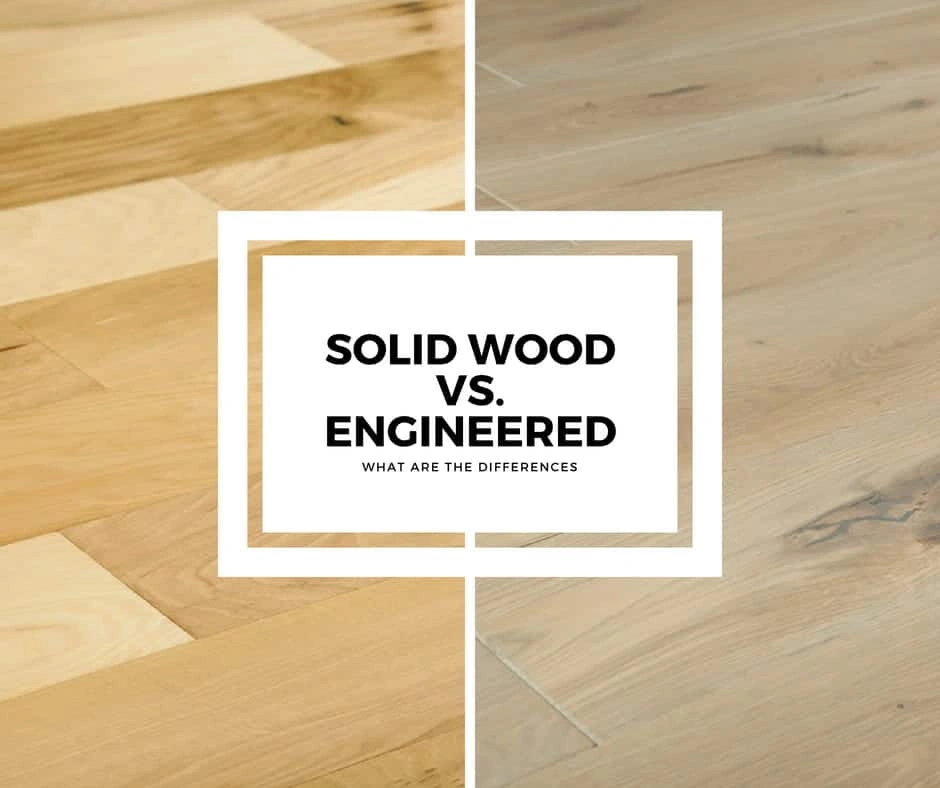
Both engineered and solid hardwood flooring bring a luxurious, natural look to any living area. Real wood provides an authentic look and can even boost the resale value of a home with its upscale perception. Engineered wood — though somewhat more contemporary in construction — is available in most if not all finishes and can offer almost flawless reproduction of the beauty in solid wood.
Installation Process
Installation is a key element when selecting between solid or engineered hardwood. Solid hardwood must be nailed or stapled to a wood subfloor, so it’s only appropriate for full renovations or new construction. It also requires time to “rest” and acclimate with the room’s temperature before installation, particularly in a place like Dubai, where our humidity levels fluctuate. Install Though it looks similar to hardwood when installed, engineered is actually easier to install. That can be glued down, stapled or even floated as a floor — the work is faster and cleaner. For householders seeking that quick upgrade with minimum fuss, engineered hardwood gets the edge.